Planting Native Vegetation to Strengthen Water Recharge Areas
Jaga Semesta
2026-09-30T06:46:22.914Z
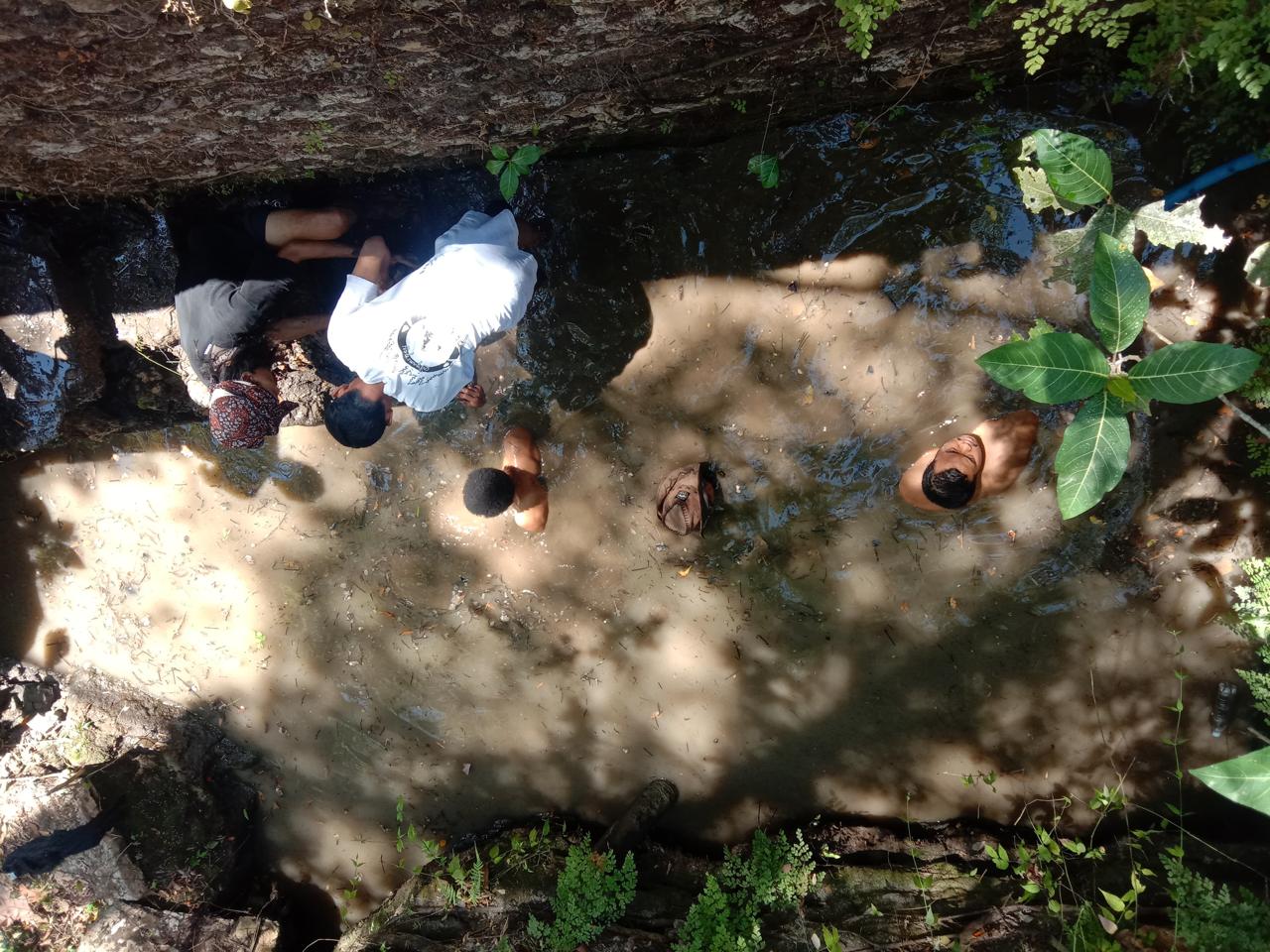
Vegetation plays an important role in helping landscapes absorb and retain water. Plant roots create spaces within the soil, while leaves and organic material on the ground can reduce the direct impact of rainfall and slow the movement of surface water.
When vegetation cover declines, soil conditions can gradually change. The ground becomes more exposed, erosion may increase, and rainwater can move quickly toward lower areas without having enough time to enter the soil.
As part of a restoration activity, Jaga Semesta worked with local communities to plant native vegetation in an area where plant cover had gradually decreased.
Before planting began, the team observed soil conditions, moisture levels, existing vegetation, and the broader characteristics of the surrounding ecosystem.
This stage is important because not every plant species is suitable for every location. Vegetation needs to be selected according to soil characteristics, water availability, and the ecological conditions that already exist.
Native plants were prioritized because they generally adapt more effectively to the local environment. They may also support other species such as insects, birds, and organisms that form part of the surrounding ecosystem.
Planting was carried out together with community members and volunteers. Each location was selected based on soil conditions and its relationship with existing vegetation.
The goal was not to fill the entire landscape with new plants. Instead, the activity focused on strengthening areas where vegetation had become sparse or where soil protection was needed.
After planting, the restoration process continues. Young plants need time to establish themselves and adapt to changing environmental conditions.
Community members help observe the area regularly. Plant growth, leaf conditions, soil moisture, and surface water movement are among the factors that can be monitored over time.
In the long term, vegetation growth may help improve soil structure. Root systems can create pathways for water to enter the ground, while organic matter from plants can help maintain moisture at the surface.
Vegetation restoration, however, is not an instant process. Changes in soil and water conditions often require several seasons, particularly in landscapes that have experienced long-term environmental pressure.
For this reason, success cannot be measured only by the number of plants placed in the ground. What matters is how the landscape develops and whether ecological functions gradually begin to recover.
Through this activity, Jaga Semesta aims to demonstrate that planting is more than a symbolic action. When guided by environmental understanding and followed by long-term care, vegetation planting can become an important part of landscape restoration.
Tag :
Planting Native Vegetation to Strengthen Water Recharge Areas
Young People Explore the Natural Water Cycle
Mapping Natural Water Infiltration Paths in Boyolali
Restoring a Spring Area on the Slopes of Mount Merapi